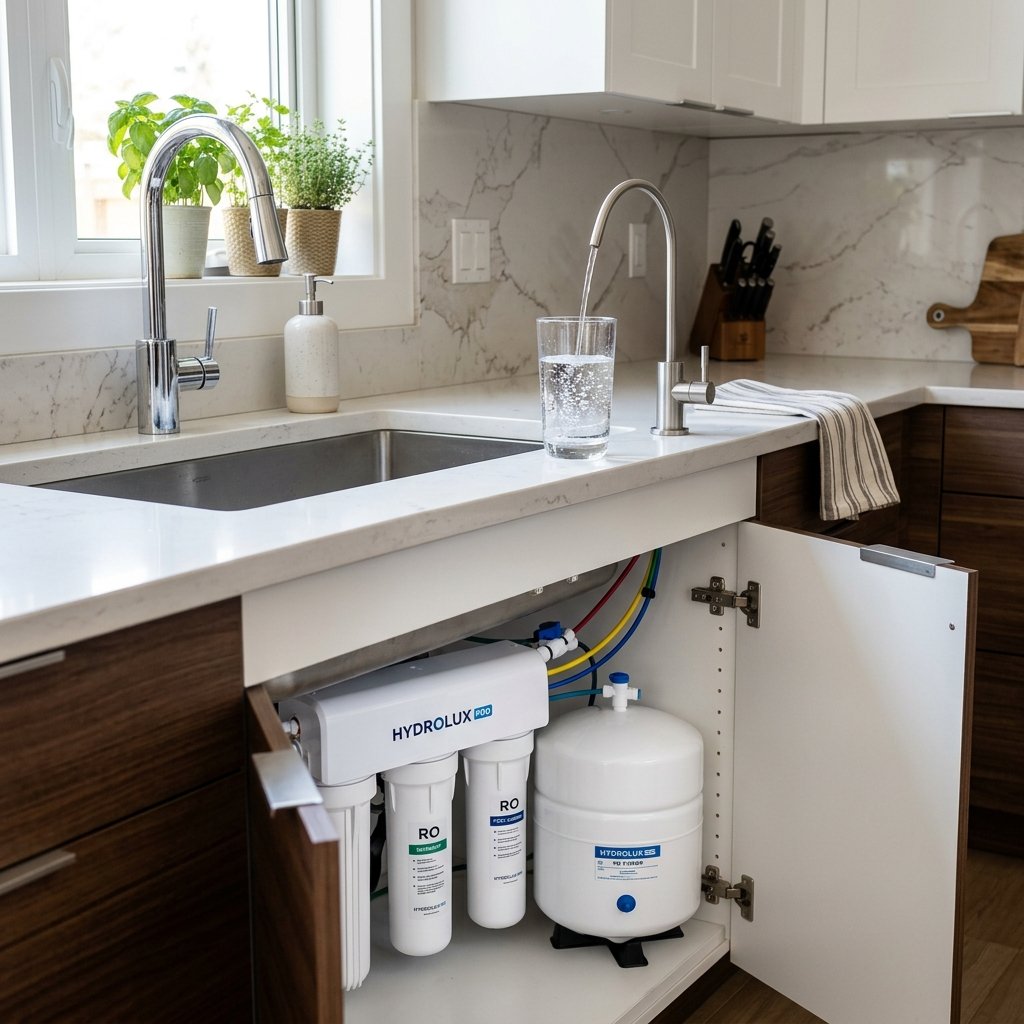
Drinking pure and safe water is fundamental to a healthy lifestyle. However, with different water purification technologies like RO (Reverse Osmosis), UV (Ultraviolet), and UF (Ultrafiltration) available in the market, choosing the right one for your home can be confusing. The most important factor in making this decision is understanding the TDS (Total Dissolved Solids) level of your water supply.
What is TDS?
Total Dissolved Solids (TDS) refers to the inorganic salts (principally calcium, magnesium, potassium, sodium, bicarbonates, chlorides, and sulfates) and small amounts of organic matter that are dissolved in water. TDS is measured in parts per million (ppm) or milligrams per liter (mg/L).
How to Measure and Choose Based on TDS:
- TDS below 300 ppm: The water is relatively soft. A combination of UV and UF filters is usually sufficient to remove bacteria and suspended impurities without stripping the water of essential natural minerals.
- TDS between 300 ppm and 500 ppm: This is a moderate range. An RO purifier or a hybrid RO+UV system is recommended if the water tastes hard or salty.
- TDS above 500 ppm: Water in this range is considered hard and might contain excessive heavy metals, fluorides, or nitrates. A high-quality RO water purifier is essential here to bring the TDS down to a palatable and safe level (typically between 80 to 150 ppm).
Key Features to Look For in Your Next Purifier:
When buying a new system, ensure it has a TDS controller or modulator so you can adjust the taste and mineral content. Regular maintenance (every 6 to 12 months) is also crucial to ensure the membranes function efficiently and continue delivering healthy drinking water.